



Men suffer from cystitis relatively infrequently compared to women.The risk of getting sick among the stronger sex increases significantly as we age.The disease manifests itself in the form of frequent urination, accompanied by discomfort: burning, pain in the lower abdomen.Urine may contain mucus or blood.The urge to urinate often bothers you at night while you are sleeping.The reason for such sensations is inflammation of the mucous membrane of the bladder.Despite the fact that the structure of the male urethra significantly complicates the penetration of infection into the bladder, we must not forget about preventive measures.
Causes of cystitis in men
The main cause of male cystitis is the presence of infectious diseases of the genitourinary area, both acute and chronic, in which the infection can penetrate to the inside of the bladder.We are talking not only about sexually transmitted diseases, but also about banal prostatitis or orchitis.In some cases, the infection can enter the bladder from distant sources, for example, in tuberculosis, tonsillitis and sinusitis.
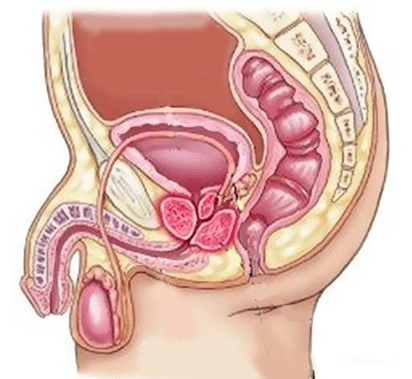
In addition, cystitis can also be caused by non-infectious factors, for example, the presence of stones in the bladder, traumatic injuries, medical procedures (placement of a urinary catheter).In some cases, cystitis can develop as a result of oncological processes in the genitourinary area of a man.A predisposing factor is also a weakened immune system caused by taking hormonal medications and some other medications or HIV infection.An important predisposing factor may be the anatomical characteristics of the urethra, for example, its narrowness and the resulting stagnation of urine in the bladder.Therefore, cystitis in men can almost always be considered a secondary disease resulting from other genitourinary diseases.
Other prerequisites cannot be ruled out: stress, poor diet, regular violation of hygiene rules, hypothermia, bad habits, especially alcohol intake, can significantly contribute to the development of cystitis in a man.
Signs, symptoms and forms of cystitis.
The most striking symptom of cystitis is the frequent need to urinate.There may be very little urine, only 15 ml.Urinary incontinence or, conversely, difficulty urinating may also appear.Pain when urinating usually appears towards the end of the urination process;Its appearance is due to the fact that when the bladder is emptied, its walls collapse and touch each other, which, in the presence of inflammation, is accompanied by pain.Men are often bothered by pain in the penis, groin and suprapubic area.Signs of poisoning may appear: increased temperature, weakness, chills, headache, nausea, loss of appetite.As the disease progresses, cystitis can take on a hemorrhagic form.The urine becomes cloudy, blood appears, pieces of exfoliated bladder mucosa appear, and it acquires an unpleasant putrid odor.The volume of urine per day in such cases does not exceed 400 ml.
In the chronic form of the disease, the pain is not so intense and the frequency of urination is low.There is no blood in the urine, but there may be mucus.Chronic cystitis in men varies in waves: periods of exacerbation alternate with remission.
Diagnosis of the disease.
Diagnosing cystitis in a man involves carrying out a series of studies.First of all, a general analysis of urine is carried out to determine its composition, reaction (an acidic reaction of urine indicates the presence of inflammation) and the presence of impurities.A urine culture is performed, which allows the pathogen to be identified and its sensitivity to antibiotics determined.Ultrasound examinations of the bladder, kidneys and prostate are usually performed next.If necessary, cystography and computed tomography are performed.
During the examination of the patient, stones in the bladder, malignant and benign formations can be identified, in which case the examination program should be supplemented with a biopsy of the bladder mucosa.
Treatment of male cystitis.
At the first symptoms of cystitis, you should visit a specialist - a urologist.If the presence of cystitis in a man is confirmed, treatment is prescribed: antibiotics, herbal medications and physiotherapy.
Medications and recipes for cystitis.
The acute form of cystitis requires urgent treatment;If symptoms are severe or complications occur, you will need to be treated in a hospital.Intense pain that does not stop with taking painkillers, urinary retention and the appearance of blood in the urine are indications for hospitalization.Bed rest is recommended.How to treat cystitis in men depends on the form and course of the disease.If you have a fever, antipyretics and plenty of fluids (more than 2 liters a day) are prescribed.A diet for cystitis in men requires the absence of salty and spicy foods;it is mandatory to follow it;Only in this case can you expect a quick cure of the disease.Antimicrobial agents: Antibiotics for cystitis in men are prescribed after bacterial culture of urine and determination of the reaction of pathogens to the main antibacterial drugs.The most common medications for cystitis in men are fluoroquinolones;nitrofurans (furadonin), cephalosporins.Any antibiotic for cystitis is used only as prescribed by a doctor, and it is important to adhere to the recommended dosage of the medication and duration of treatment.
Herbal treatment - herbal medicine
Medicinal plants have an analgesic and antispasmodic effect, destroy infections and help improve immunity.Herbal infusions are definitely included in the treatment of cystitis.These are diuretic and anti-inflammatory herbal formulations: bearberry, lingonberry leaves, horsetail.Treatment of cystitis in men with folk remedies is prescribed in the absence of allergies to any herbs.Home remedies help prevent the disease from becoming chronic.Taking pumpkin seeds for cystitis gives good results.Cranberry fruit drinks rich in vitamins are good for cystitis.and cranberries.
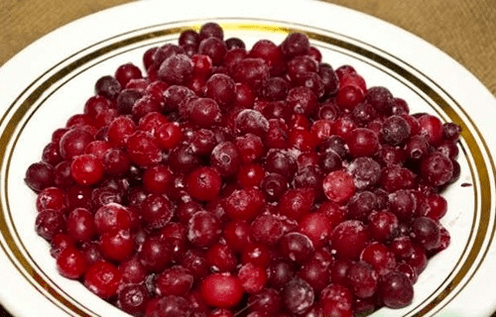
There are also medications for the treatment of cystitis in men based on phytocomponents.For example, tablets with cranberry extract, which are prescribed after antibiotic treatment to consolidate the therapeutic effect.There are other medications with plant components that complement the main therapy.
Plants and herbs that help with cystitis.
Oat grains, unpeeled.Pour 1 part grains with two parts water.Heat the mixture in a water bath and then boil.There should be 1/2 volume left.Add honey, 2 tablespoons and continue simmering for another 5 minutes.Take 3 times a day, 1/2 cup.
St. John's Wort, crushed herb.1 tablespoon of raw materials, pour a glass of boiling water, boil for a quarter of an hour.Infuse for another hour and then drink a quarter glass three times a day.
Lingonberry leaves, 1 tablespoon per glass of water, simmer for 15 minutes from the moment of boiling.A glass of decoction should be drunk in small portions per day.
The herb Echinacea is used against viruses, inflammations and to strengthen the immune system.It is especially useful to take it if cystitis is detected simultaneously with prostatitis or other inflammations of the genitourinary area.Take 200 ml of boiling water per teaspoon of herb and let it infuse for three hours.Drink 1/2 glass of infusion after sleeping and before going to bed.
Cystitis, which occurs with simultaneous deterioration of liver function, is treated with a mixture of oats and calendula (marigold).Completely fill half an oatmeal saucepan with water.Boil for half an hour, add calendula flowers, 1 handful.Leave overnight and then drain the liquid with cheesecloth.Drink the broth slightly warmed, up to one and a half liters a day for two weeks.
Painkillers and other medications.
Anti-cystitis pills for men, which have an analgesic effect, are prescribed together with antibiotics.Pain can be relieved with antispasmodic drugs: papaverine, No-Shpa, diclofenac.Other medications are sometimes required depending on the nature of the infection.
Is cystitis transmitted from woman to man?The answer is clear: the causative agent of bladder disease can enter the body through sexual intercourse.If such infections are identified and even cause disease, specific regimens are used.Associated ailments are often found: prostatitis, ailments in the kidney area and others.Therapy is prescribed for these diagnoses.In some cases, rinsing the bladder with disinfectants, antiseptics and blocking with novocaine is indicated.
Additional treatments

After the acute symptoms of cystitis are relieved, to accelerate recovery, physiotherapeutic procedures are required: electrophoresis, ultrasound treatment, magnetic laser therapy.Sanatorium treatment, water treatments, baths and therapeutic muds have a great effect.
Home treatment for cystitis.
Cystitis is not considered life-threatening, although it causes many inconveniences.How to quickly cure inflammation at home?Treatment of cystitis in men at home should begin with a visit to a general practitioner or urologist.General recommendations for treating cystitis at home are as follows:
- the acute period must be spent in bed;
- It is necessary to drink as much as possible, but avoid stimulating drinks: coffee, beer and tea should not be abused either.Berry drinks made with cranberries and lingonberries will be very useful.They contain vitamins and antibacterial substances;
- if there is blood in the urine, decoctions of birch buds, oats and nettle and pharmaceutical preparations are recommended;
- phytotablets and phytolysin paste are used as prescribed by a doctor;
- requires a diet without spicy, salty and vitamin-rich foods;
- A bath for cystitis is excluded;it is recommended to carry out hygiene procedures with warm water and mild detergents;
- Taking medications is only allowed as prescribed by a doctor.
Thus, a diet composed of vegetables, fruits, dairy products, rich in vitamins;Taking vitamins, taking antibiotics and bed rest relieve inflammation at home, but treatment cannot be interrupted;It is necessary to complete the treatment with medications and herbs prescribed by the doctor.
Additional recommendations
In case of cystitis, it is necessary to control the functioning of digestion so that constipation does not occur, which aggravates the disease.A diet of fruits and vegetables against cystitis allows you to normalize intestinal function.But additional digestive tract stimulants that do not have contraindications can also be included.
Bladder inflammation can cause many problems and inconveniences if it is allowed to become chronic.The first acute case of the disease is treated quite quickly, in less than a week, if all measures are applied.The main thing is to consult a doctor in a timely manner and responsibly follow his instructions.Despite the fact that cases of the disease are rare in men, it is worth paying attention to the need for prevention: avoiding hypothermia, not developing diseases that can be complicated by cystitis, as well as observing hygiene measures and following a healthy lifestyle.